Picking a new roof sounds simple until you actually start comparing options. Ask three different roofers what material suits your house and you’ll probably get three different answers, all sounding fairly convincing. That’s because pitched, tiled and slate roofing aren’t really competing for the same job. They suit different properties, different budgets, and sometimes very different styles of home.
A lot of homeowners assume there’s one correct answer and everyone else is settling for second best. That’s not quite right. A slate roof might be the obvious choice on a Victorian terrace and completely impractical on a newer extension nearby, where a standard pitched roof installation with tiles would do the job for less.
So rather than chasing one “best” material, look at what matters for your specific property. That means appearance, expected lifespan, upkeep, installation cost, and whether the existing structure can even support the option you’re leaning toward.
What to Consider Before Choosing a New Roof
Before getting into materials, it’s worth looking at the basics of your property. Start with the roof design and the structure underneath it. Older Manchester homes were often built with specific pitches and timber structures in mind, and not every covering suits every design. A structural survey early on saves headaches later, and it’s usually cheaper than finding out the hard way once materials have already been ordered.
Weather matters more than people expect. Greater Manchester gets plenty of rain and wind, so drainage and water resistance shouldn’t be an afterthought. This isn’t just a domestic concern either. Business owners weighing up a warehouse or retail unit roof face similar decisions, which is where separate commercial roofing services come in, since loading and access requirements differ from a standard house roof.
Lifespan and maintenance go together. A longer-lasting material usually costs more upfront, and that’s a trade-off worth thinking through rather than picking on price alone. Then there’s appearance, since the wrong material can genuinely clash with a period property.
Understanding Pitched Roof Installation
A pitched roof is simply a sloped roof rather than a flat one. That slope isn’t just for looks. It helps rainwater run off quickly instead of pooling, which cuts the risk of leaks over time.
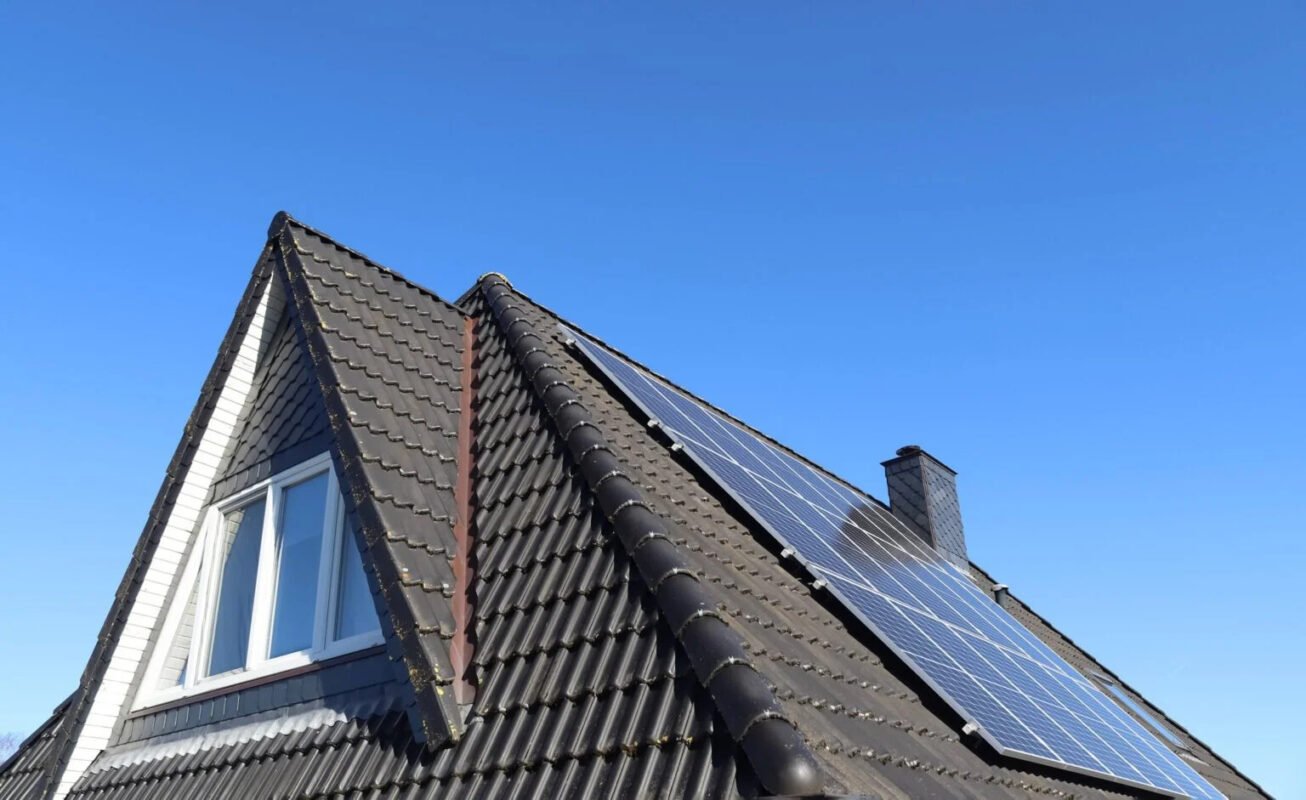
Pitched roofs work across a wide range of residential properties, from Victorian terraces to modern new-builds. The slope angle varies with house style and local building requirements, which is part of why this design is so common here.
Getting the structure right matters as much as the covering. Proper timber framing, ventilation and drainage all need to work together. Skimp on any of these and you risk trapped moisture, mould in the loft, or premature wear on the roofing material.
A proper assessment before installation isn’t a formality. A roofer needs to check the existing structure can take the new covering, that ventilation is adequate, and drainage will actually work. Rushing this step tends to cause problems that only show up years later.
Tiled Roofing for Manchester Homes
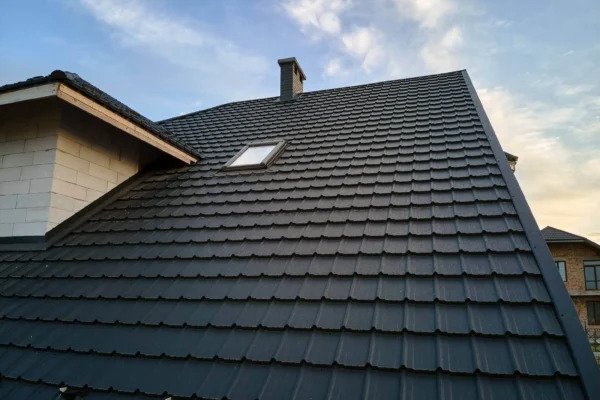
Roof tiles come in a few common types, with concrete and clay being the two you’ll see most often here. Concrete tiles are generally more affordable, while clay tends to have a more traditional look and can last longer if maintained properly.
Appearance is one of the bigger selling points. Tiles come in a range of colours and profiles, making it easier to match the character of a street or neighbourhood. Maintenance is moderate, mostly occasional checks for cracked or slipped tiles alongside gutter upkeep.
Tiled roofing suits a broad mix of house styles, from semis to larger detached properties. Cost varies with tile type, roof size and the condition of the existing structure. A roof replacement company should walk you through realistic pricing once they’ve actually seen the property, rather than quoting blind over the phone.
Is Slate Roofing Right for Your Home?
Natural slate has a distinct look that’s hard to replicate. Each slate varies slightly in colour and shape, giving the roof a bit of natural character rather than a uniform, manufactured finish.
Slate is known for a long service life. Properly installed and maintained slate roofs can last decades longer than most common materials, which is part of why slate is often associated with period properties.
That said, slate is heavy, significantly heavier than most tile options. The existing structure needs to be strong enough to carry that weight, which isn’t always the case on older properties where previous work may have weakened the timber, or where the roof was originally designed for a lighter covering altogether.
This weight issue catches people out more than they expect. A homeowner might fall in love with the look of slate on a neighbouring property without realising that house was built with a stronger frame from the start. Retrofitting a structure to carry slate is possible in some cases, but it adds cost and complexity that can change the whole calculation. It’s one of those details that only becomes obvious once someone experienced has actually been up in the loft to check the timber.
Installation calls for specific skill, since slates fit differently to standard tiles and the fixing methods aren’t quite the same. Get it wrong and you end up with slipped or cracked slates within a few years rather than the decades of service the material is known for. If your project also includes an extension with a flat section, it’s worth asking your flat roof contractors whether a different covering suits that part better, rather than assuming one material fits the whole property. Before committing to slate, the existing structure genuinely needs assessing, since getting this wrong costs far more to put right than the roof itself.
Pitched Roof vs Tiled Roof vs Slate Roof
Laying these three side by side makes the differences clearer. On cost, standard pitched coverings tend to sit at the more affordable end, tiles sit in the middle depending on type, and slate is usually the most expensive upfront due to material and installation costs.
On lifespan, slate generally outlasts tiles, which in turn tend to outlast some cheaper options. A well-built pitched structure itself can last a long time regardless of covering, provided the frame and ventilation are sound.
Appearance is more subjective. Slate tends to suit older, more traditional properties, while tiles offer more flexibility across a wider range of styles and colours. Maintenance needs are broadly similar for tiles and slate once installed correctly, though slate repairs need more specialised skill.
For older Manchester properties, matching the existing architectural style often carries more weight than it does for newer homes, where owners tend to have more flexibility to choose based on budget.
Weather resistance is strong across all three when installed properly, but it’s worth remembering that installation quality affects this just as much as the material itself. A poorly fitted tiled roof will underperform a well-fitted one every time, and the same goes for pitched structures and slate. The material choice sets the ceiling on performance, but the workmanship decides whether you actually get anywhere near it.
Choosing the Right Roofing Material for Your Manchester Property
Start with what your property can actually support. If the existing structure can’t handle slate’s weight, that narrows your options before cost or appearance even come into it.
Think honestly about how much maintenance you’re prepared to keep up with. Some homeowners don’t mind occasional small repairs, while others want something they can largely forget about for years.
Balance the upfront cost against how long the material is expected to last. A cheaper option that needs replacing sooner isn’t always the better financial decision once you add it up over a couple of decades. None of this needs deciding alone. Speaking with an experienced roofing contractor who can actually assess your property beats guessing from general advice online, and you can contact us any time you want that kind of straightforward opinion.
When a New Roof Is a Better Choice Than Repairs
Sometimes the better decision isn’t picking a material at all, but recognising that repairs won’t cut it anymore.
Widespread deterioration across large sections, rather than one isolated patch, usually means patchwork repairs are just delaying the inevitable. If you’re calling out a roofer every few months for the same recurring leak, that pattern says something on its own.
Age-related wear affecting large areas, rather than a single damaged section, often means the whole covering is reaching the end of its practical life, even if it hasn’t failed completely yet.
In these situations, a full replacement usually works out more practical and more cost-effective in the long run than continuing to fund repairs on a roof that’s simply worn out.
