
Introduction
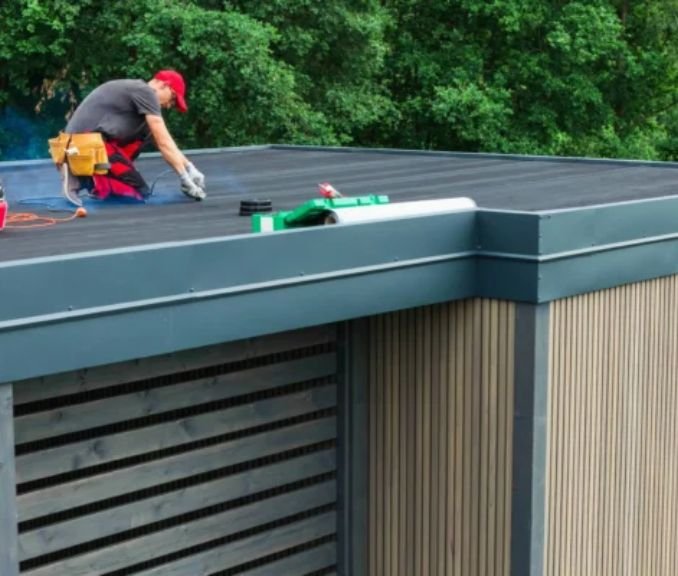
Roofing felt is a layer placed between the roof deck and the outer roof material. It is often used under shingles to add extra protection from water. While shingles are the main layer that protects a roof, roofing felt gives the roof another line of defense.
Choosing the right roofing felt can help protect the roof deck and reduce the risk of water damage. However, not all roofing felt is the same. There are different types, and each one has its own features and uses.
In this guide, we explain what roofing felt is, how it is used, how long it can last, and which type may be the best choice for a roof.
What Is Roofing Felt?
Roofing felt is a thin sheet used as an underlayer on a roof. It is placed over the roof deck before shingles or other roof materials are installed.
Traditional roofing felt is often made from a base material that is covered with asphalt. Asphalt helps the felt resist water. Newer products may use synthetic materials instead of the older felt base.
The main purpose of roofing felt is to provide extra protection between the roof deck and the outer roof material. If a small amount of water gets under the shingles, the felt can help keep that water away from the roof deck.
Roofing felt is not meant to replace shingles or act as the main roof covering. Instead, it works as an extra layer of protection below the main roof surface.
What Is Roofing Felt Used For?
Roofing felt is mainly used to help protect the roof deck from water. Shingles can become damaged, move out of place, or allow small amounts of water to pass through. A good underlayer can help reduce the chance of that water reaching the wood below.
It also helps protect the roof during the installation process. Once the roof deck is covered with felt, the deck has some protection while the rest of the roof work is being completed.
Roofing felt can also help create a smooth layer under shingles. This can support a more even roof surface when the outer roof material is installed.
The exact use of roofing felt depends on the type of roof, the roof material, local weather, and local building rules.
Types of Roofing Felt
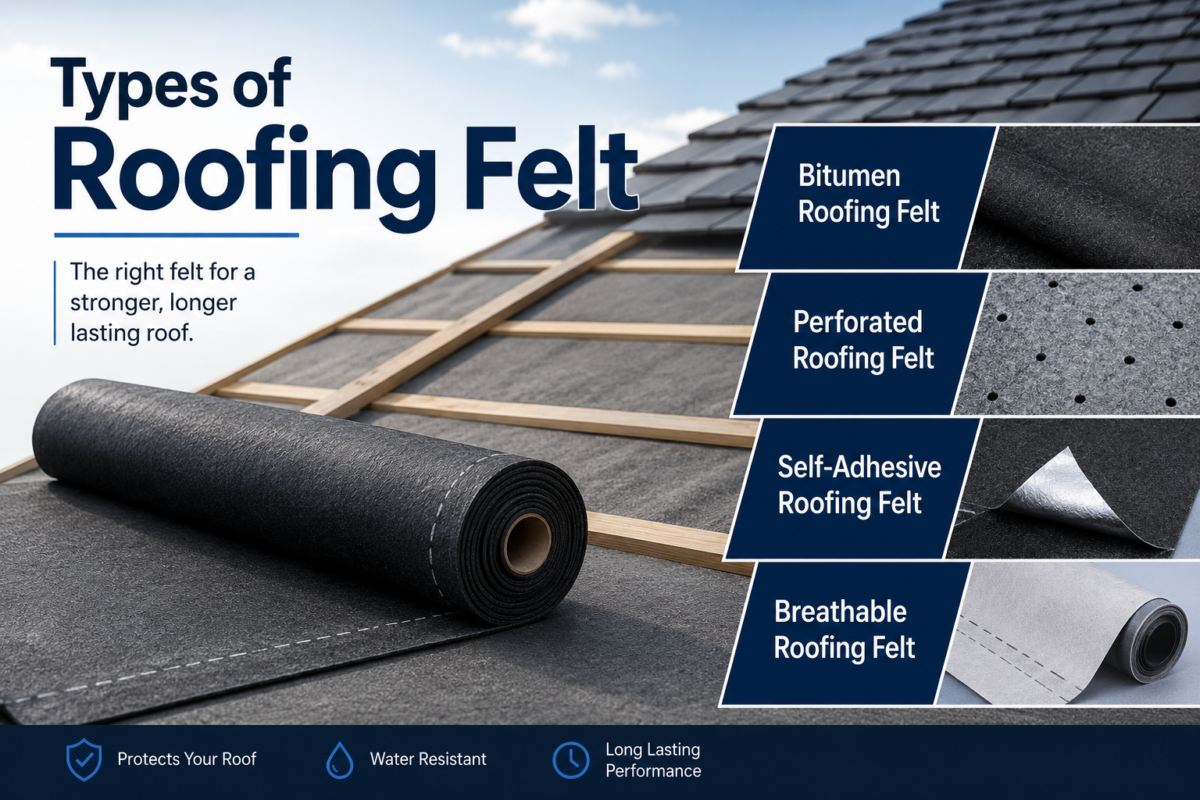
There are several types of products used as roof underlay. Traditional felt and synthetic underlay are the two main choices.
Asphalt-Saturated Felt
Asphalt-saturated felt is one of the older and more common types of roofing felt. It has a base that is treated with asphalt to help it resist water.
It is often sold in different weights. Common options include 15-pound and 30-pound felt. The heavier type is usually stronger and can handle more wear during roof work.
This type of roofing felt is often chosen because it is simple to use and can cost less than some newer options. It can be a good choice for many standard roofing jobs when it meets local rules and roof needs.
Fiberglass Felt
Fiberglass felt uses fiberglass in its base. This gives the material more strength than some older felt products.
It can be more resistant to tearing during installation. It is also designed to handle the demands of roof work while providing a layer of protection below the shingles.
Fiberglass felt may be used on many types of roofs, but the right product should always be chosen based on the roof material and local requirements.
Synthetic Roofing Felt
Synthetic roofing felt is made from man-made materials rather than the paper base used in many traditional felt products. It has become a common choice for many roofing jobs.
Synthetic underlay is usually light but strong. It can also be easier to handle during installation. Many synthetic products are made to resist tearing and water while the roof is being built.
The exact features can differ from one product to another. For this reason, it is important to check the product details before making a choice.
Roofing Felt vs Synthetic Underlayment
Traditional roofing felt and synthetic underlayment both provide a layer of protection under the main roof covering. However, they are not the same.
Traditional felt is often lower in cost and has been used for many years. It can work well when installed correctly and kept covered by the outer roof material.
Synthetic underlayment is often lighter and stronger. It may also handle roof work better because it is less likely to tear when moved or walked on during installation.
The best choice depends on the roof, weather, budget, and local building rules. A roofer can help choose the right product for the job.
How Long Does Roofing Felt Last?
The life of roofing felt depends on its type, quality, weather, and whether it stays covered by the main roof material.
Roofing felt is not usually designed to remain exposed for many years. It is placed under shingles or another roof covering. If it stays exposed to sunlight, rain, or strong wind for too long, it can become weak or damaged.
Traditional felt may have a shorter working life than some synthetic products. Synthetic underlayment is often made to provide better resistance to tearing and weather during roof work.
The quality of installation also matters. If the felt is not placed correctly, water may reach the roof deck and cause damage.
It is best to follow the product maker’s instructions for how long the material can remain exposed. If the roof has signs of damage or water entry, the underlayer should be checked as part of the repair.
Benefits of Roofing Felt
One of the main benefits of roofing felt is added water protection. It gives the roof deck another layer between the wood and the outside weather.
It can also help protect the roof during installation. Once the felt is in place, the roof deck is less exposed while the shingles or other roof materials are being installed.
Roofing felt is also fairly simple to install. Traditional products can be easy to cut, roll, and place across a roof.
Another benefit is cost. Traditional roofing felt can be an affordable option for many roof projects. Synthetic products may cost more, but they can offer added strength and other features.
Downsides of Roofing Felt
Roofing felt also has some limits. Traditional felt can tear if it is handled roughly during installation. It can also become damaged when exposed to sunlight and weather for longer than the product allows.
Water can also cause problems if the felt remains wet for a long time or if water gets below the material. Good roof design and proper installation are important to help prevent these issues.
Synthetic underlayment may offer better strength, but it can cost more than traditional felt. This means the lowest-cost option is not always the best choice for every roof.
How Is Roofing Felt Installed?
The roof deck should first be checked to make sure it is clean, dry, and ready for the underlayer. Damaged areas should be fixed before the roofing felt is installed.
The felt is normally placed starting near the lower edge of the roof. The sheets are rolled across the roof and placed in rows. Each row should overlap the next one based on the product instructions.
The material is then secured with the correct fasteners. Extra care is needed around roof edges, valleys, vents, and other areas where water may enter.
Once the roofing felt is installed, the main roof material is placed over it. The outer roof covering should not be delayed longer than the product allows.
Because roof work can be dangerous, proper safety steps should always be followed. For larger repairs or full roof work, a trained roofer is often the safest choice.
What to Look for When Choosing Roofing Felt
The first thing to consider is the type of roof. Different roof materials may need different types of underlay.
Weather is also important. A roof in an area with heavy rain, strong wind, or large temperature changes may need a stronger product.
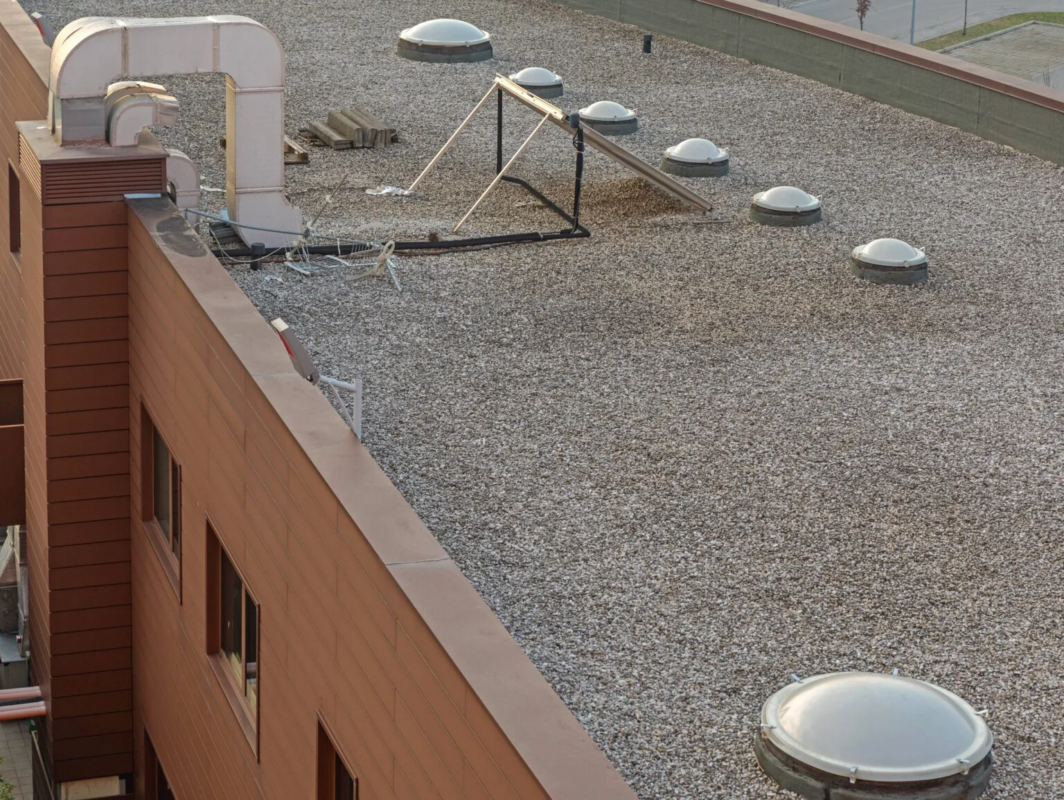
The roof slope can also affect the choice. A low-slope roof may have different needs from a steep roof.
Cost is another factor, but it should not be the only one. A product that offers better strength and water protection may be worth the extra cost if it suits the roof.
Always check the product instructions and local building rules before choosing roofing felt.
What Is the Best Roofing Felt?
There is no single roofing felt that is best for every roof. The right choice depends on the type of roof, weather, roof material, budget, and local rules.
Traditional asphalt-saturated felt can be a good choice for many standard roof projects. It is well known, easy to use, and often costs less.
Synthetic underlayment may be a better choice when strength, light weight, and better resistance to tearing are important.
The best option is one that fits the needs of the roof and is installed correctly.
How to Tell If Roofing Felt Needs Replacing
Roofing felt is normally covered by shingles, so it can be hard to inspect without removing part of the roof. However, signs of roof damage may point to problems below the shingles.
Water stains, leaks, damaged shingles, and wet areas can all be signs that the roof needs attention. If roof work exposes old felt that is torn, weak, or damaged, it may need to be replaced.
Old roofing felt should not simply be covered without checking its condition. A roofer can inspect the roof and decide if the underlayer needs to be replaced.
Roofing Felt Maintenance Tips
Roofing felt itself does not need regular cleaning or care because it sits below the main roof covering. However, keeping the roof in good condition can help protect the layer below.
Regular roof checks can help find damaged shingles, loose materials, and signs of leaks. Gutters should also be kept clear so that water can flow away from the roof.
Small roof problems should be fixed early. A damaged shingle or small leak can lead to bigger problems if it is left alone.
Final Thoughts
Roofing felt is a key layer that helps protect the roof under shingles and other roof materials. It helps keep water away, protects the roof while it is being built, and adds extra cover.
Traditional asphalt felt is still a good choice for many roofs. Synthetic felt is another option that can be stronger and easier to handle.
The right roofing felt depends on your roof, weather, budget, and local rules. Good materials and proper fitting can help keep your roof safe. Contact us today to learn more about the best roofing felt for your roof.
FAQs About Roofing Felt
Roofing felt is a layer placed under shingles to help protect the roof deck from water.
Its life depends on the type, weather, and roof condition. Synthetic felt often lasts longer than basic felt.
Roofing felt helps resist water, but it is not a complete waterproof roof by itself.
The best type depends on your roof, weather, budget, and local building rules.
Yes. Damaged or old roofing felt can be replaced when the roof is repaired or rebuilt.
