
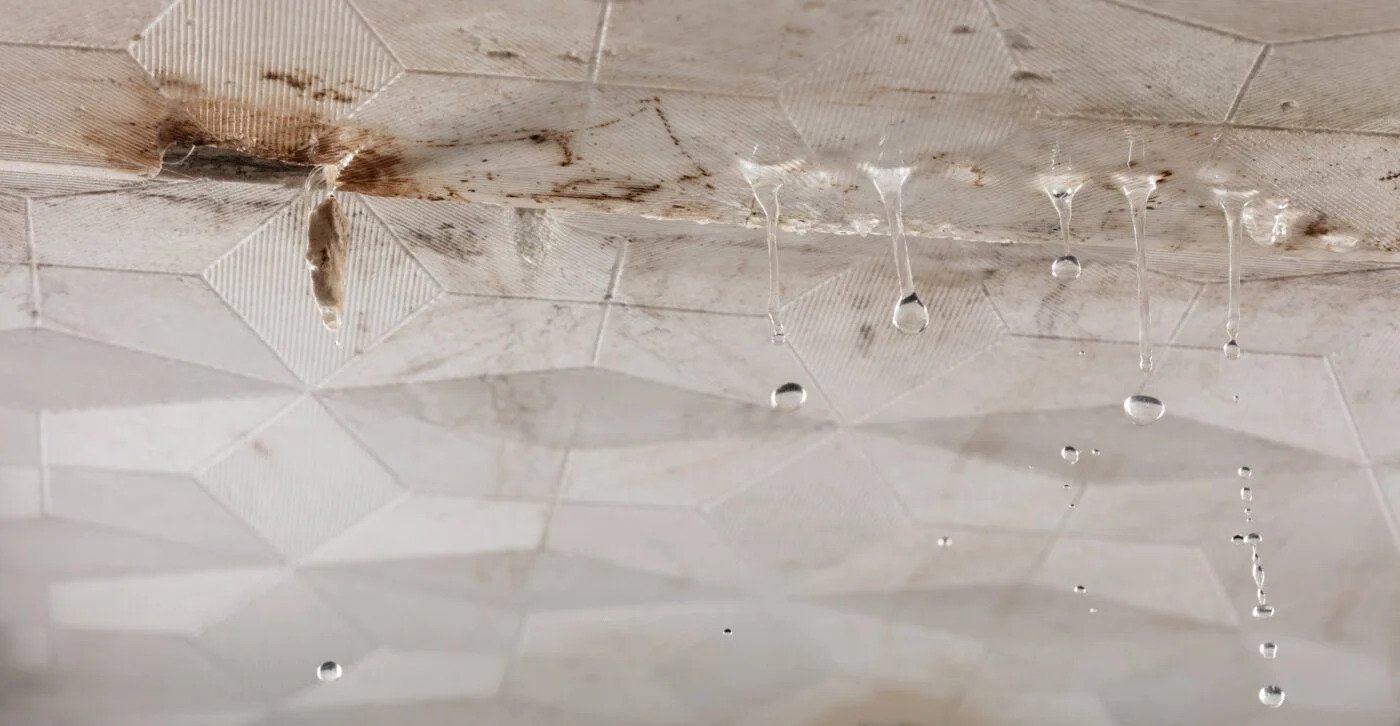
Finding a water mark on the ceiling is never a good moment. Neither is spotting a damp patch spreading across a wall, or worse, actually hearing water dripping somewhere in the loft. The first instinct is usually to look straight up and assume the roof above that exact spot is where the problem sits.
That assumption is often wrong. Water doesn’t always travel straight down. It can run along timber, follow a felt lining, or track sideways for a metre or more before it finally shows up as a stain indoors. A roof leak repair job done properly starts with tracing where the water is actually getting in, not just patching the ceiling and hoping for the best.
There are a handful of usual suspects behind most roof leaks, and a professional inspection is really about ruling them in or out systematically rather than guessing.
Damaged or Missing Roof Tiles
Cracked, slipped or missing tiles are one of the most straightforward causes of a leak, and also one of the easiest to miss from ground level. A single displaced tile can let rain straight into the roof structure, especially during heavy or driven rain, and it doesn’t take much wind to shift a tile that wasn’t properly fixed in the first place.
Tiles get damaged for a few common reasons. Age and general weathering wear them down over time, especially on south or west facing slopes that take the brunt of driving rain. Wind can lift and shift tiles that weren’t fixed as securely as they should have been. Falling branches, ladders leant against the roof, or even birds and squirrels can crack or dislodge individual tiles too.
Any decent roofing repair company that actually knows what they’re doing should check the tiles surrounding the damaged one, not just the tile directly above the leak. A cracked tile a few rows up can still be the actual source, with water running down the underlay before finding a way through.
In a lot of cases, replacing the individual damaged tile is genuinely enough. That’s only true if the surrounding tiles and the underlay beneath are still in decent condition. If there’s wider wear across that section of roof, one new tile is really just delaying a bigger repair, and a contractor who’s being straight with you will say so rather than patch and move on.
Problems Around Roof Flashing
Flashing is the metal or lead detailing fitted around joints, walls, chimneys and other points where the roof surface changes direction, stopping water getting into those naturally vulnerable junctions.
When flashing lifts, cracks, or was never sealed properly, it creates a direct entry point for water. This is a common cause of leaks that seem to appear near chimneys or where an extension roof meets the main house.
Finding a flashing-related leak usually means getting up close rather than relying on a look from the ground. A contractor checks the seal along each edge and looks for lifted sections or corrosion before deciding whether a repair or full replacement makes more sense.
Blocked or Damaged Gutters
Gutters that are blocked with leaves, moss or general debris can’t move water away fast enough, and that overflow runs back up under roof edges and down external walls, both of which can lead to problems that get blamed on the roof itself.
The connection between gutters and roof protection gets overlooked a lot. A roof can be in perfectly good condition and still cause damp problems if the guttering around it isn’t doing its job properly. Signs to look out for include water spilling over during rain, staining on the fascia boards, or damp patches near roof edges rather than the centre of a ceiling.
Sometimes a straightforward clean solves the problem. Other times, sagging brackets, cracked sections or gutters fitted with the wrong fall need actual repair or replacement rather than just clearing debris out.
Chimney Damage and Failed Seals
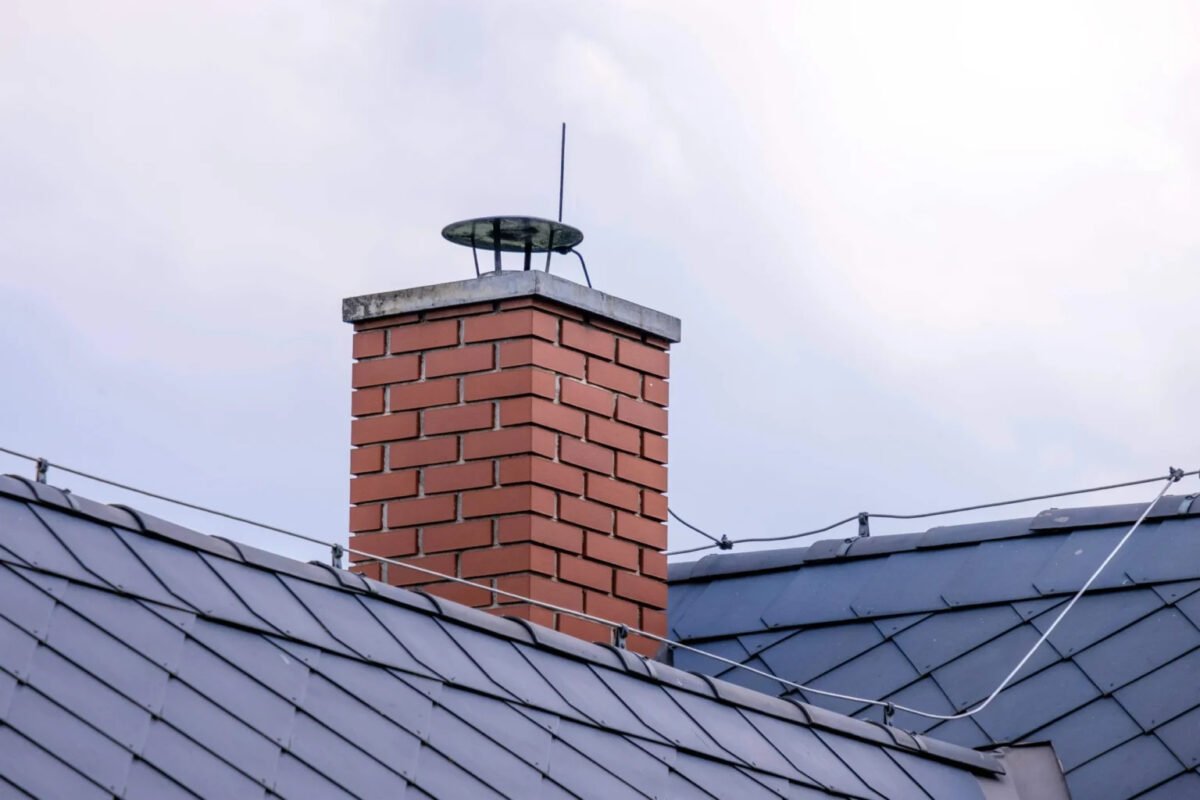
Chimneys take a beating from weather exposure more than most other parts of a roof. Cracked mortar joints, damaged flashing around the base, and general deterioration over time are all common issues, and a roof leak repair Greater Manchester callout for what looks like a simple ceiling stain sometimes turns into a chimney inspection instead. Once water finds a way in through one of these, it doesn’t always stay contained to the chimney itself.
Chimney leaks have a reputation for being tricky to trace, and that reputation is fairly deserved. Water can enter at the chimney and then travel through the loft space before showing up as a stain somewhere else entirely.
A proper inspection usually involves checking the mortar joints, the flashing where the chimney meets the roof, and the condition of the stack itself. In some cases, chimney repair work needs to happen alongside the roof repair, since fixing one without addressing the other just means the leak comes back.
Flat Roof Leaks and Water Pooling
Flat roofs face a different set of pressures compared to pitched roofs, and standing water is usually top of the list. Even a small amount of water sitting on the surface for extended periods adds weight and stress that a well-drained roof simply doesn’t experience.
Over time, that pooling can accelerate damage to the membrane, particularly around joints and edges where materials are already more vulnerable. Ageing materials that have lost some of their flexibility are more likely to crack or split under that ongoing pressure rather than flexing with it.
Checking drainage is just as important as checking the membrane itself. A leak might show up in one spot, but if water is pooling because of a drainage issue elsewhere on the roof, sealing that one visible point won’t actually solve anything. Our flat roofing services always start with a proper look at how water moves across the whole roof, not just where it’s currently getting through.
How Roofing Contractors Find the Source of a Leak
Finding the actual source usually starts with a full inspection of the roof surface, working systematically rather than jumping straight to the obvious spot. That means checking tiles, flashing, gutters, chimneys and every joint where two roof sections meet.
Tracing signs of water ingress matters more than relying on where the stain shows up indoors. Water travels, and a contractor who’s seen enough leaks knows to follow the path rather than assume the ceiling stain sits directly beneath the entry point.
Once the source is identified, the next question is scope. Some leaks genuinely need a small, targeted repair. Others reveal wider problems once you actually get eyes on the roof, and pretending otherwise just means dealing with the same leak again in a few months.
When a Roof Leak Needs Urgent Repair
Not every leak needs immediate attention, but some situations genuinely can’t wait. Water entering living spaces or getting anywhere near electrical fittings and wiring falls into that category without question.
Rapidly spreading damp patches or visible ceiling damage that’s getting worse day by day is another sign that this isn’t something to leave until a convenient weekend. The same goes for major storm damage or missing sections of roofing, where the property is left exposed until it’s fixed.
Repeated leaks after previous repair work are worth flagging too, since that pattern usually means the original repair either missed the actual source or was never going to hold in the first place. If you’re dealing with any of this, it’s worth getting in touch sooner rather than later. You can reach out us and we’ll get someone out to take a proper look.
Roof Repair or Roof Replacement?
A targeted repair makes sense when the damage is genuinely isolated, the rest of the roof is in reasonable condition, and there’s no pattern of recurring problems in that area. Plenty of leaks fall into exactly this category and don’t need anything more dramatic than fixing the specific issue.
Signs that point toward something bigger include damage spread across multiple areas rather than one clear spot, a roof that’s simply reached the end of its expected lifespan, or repairs that keep being needed every few months regardless of what’s already been fixed.
It’s worth comparing the cost of repeated repairs against the longer-term option of replacement, since patching the same ageing roof every year or two can end up costing more overall than dealing with it properly once. Getting the roof properly assessed before deciding is the only way to know which category your situation actually falls into, rather than guessing based on how bad things look from inside the house. A short visit from someone who knows what they’re looking at usually settles the question far quicker than weeks of wondering.
