
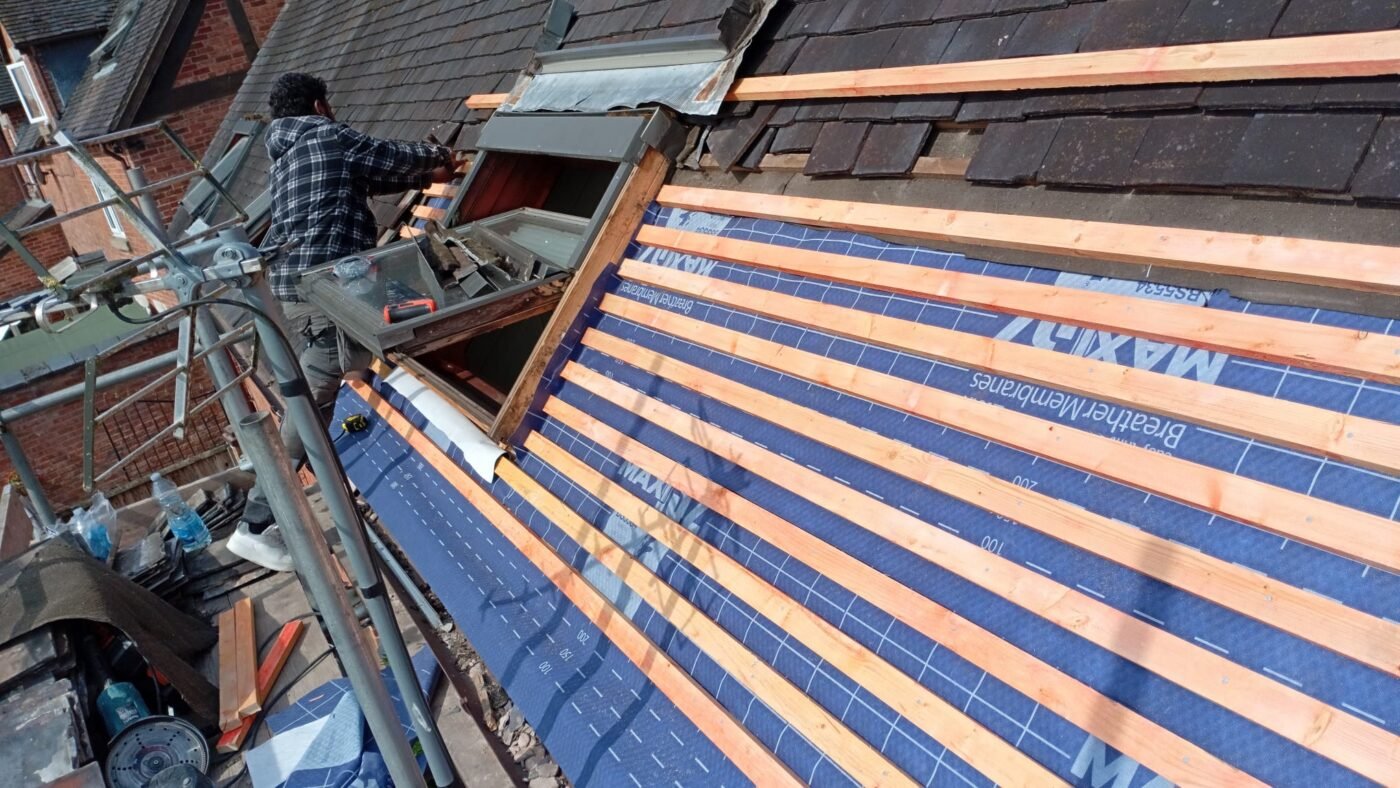
Roof battens are an important part of many roof systems. They provide support for roof tiles, slates, and other roof coverings. They also help keep the roof covering in the right place. Choosing the right roof battens is important because their size, spacing, and fixing can affect the strength and life of the roof.
This guide explains roof battens in simple terms. It covers common sizes, batten spacing, counter battens, types, fitting, and common problems. It also explains what to check before choosing battens for a roofing project.
What Are Roof Battens?
Roof battens are strips of timber fixed across the roof structure. Roof tiles or slates are then fixed or placed on these battens. They form a firm base for the roof covering.
Roof battens are usually fixed over the roof rafters. Their position and spacing depend on the type and size of the roof covering. Correct fitting helps create an even roof surface and keeps the tiles or slates in the right place.
The battens must be strong enough for the load they need to carry. They should also be in good condition and suitable for the roof system. Damaged, weak, or poorly fixed battens can cause problems with the roof covering.
What Are Roof Battens Used For?
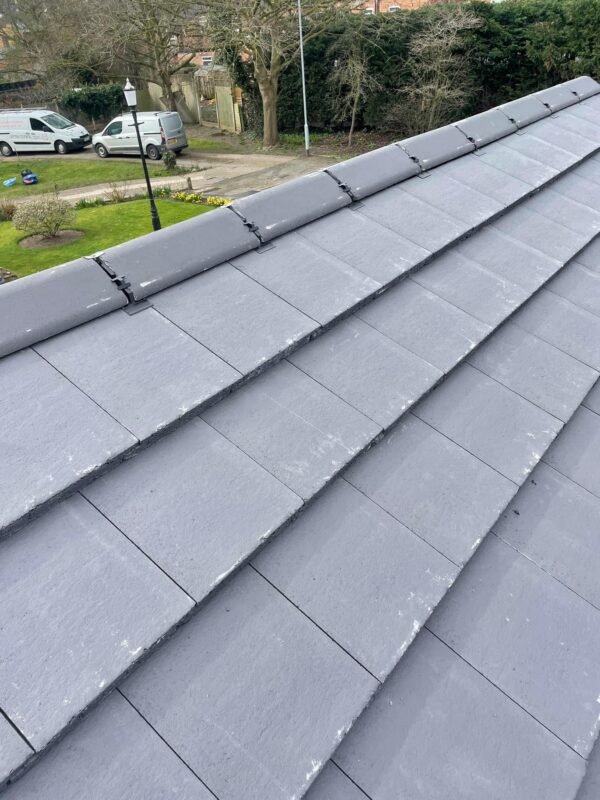
The main job of roof battens is to support roof tiles or slates. They give each tile or slate a firm point where it can sit or be fixed.
Roof battens also help spread the weight of the roof covering across the roof structure. When they are placed at the right distance, they allow the tiles or slates to fit correctly.
Correctly fitted roof battens can also help create a neat roof surface. If the spacing is wrong, tiles may not fit as planned. This can affect the look and performance of the roof.
Common Roof Batten Sizes
Roof batten sizes can vary based on the roof design, roof covering, and local rules. There is no single size that is right for every roof.
The width and depth of a batten are both important. A batten must have enough strength to support the roof covering and handle the loads placed on it.
The roof covering maker’s guide should always be checked before choosing a batten size. The required size may also depend on the distance between the roof supports.
How to Choose the Right Batten Size
The first step is to check the type of roof covering being used. Roof tiles and slates can have different needs. Their size and weight can affect the type of batten needed.
The roof design is also important. The distance between supports, roof pitch, and overall roof layout can affect batten choice.
It is also important to follow local building rules and the instructions given by the roof covering maker. Using the right size helps make sure the battens can do their job safely.
Roof Batten Spacing
Roof batten spacing means the distance between one batten and the next. Correct spacing is important because it helps roof tiles or slates fit correctly.
The spacing is not the same for every roof. It can change based on the type, size, and shape of the roof covering. Roof pitch can also affect the required spacing.
If battens are placed too far apart or too close together, the roof covering may not fit as intended. This can lead to gaps, poor alignment, or problems with fixing the tiles.
How Far Apart Should Roof Battens Be?
There is no standard spacing that works for every roof. The correct distance should be based on the roof covering being used.
For example, a tile maker may give a set range for batten spacing for a certain tile. Slate roofs can have different spacing needs based on the size and type of slate.
The best approach is to check the installation guide for the roof covering before fixing the battens. This helps make sure the roof covering fits properly from the bottom edge to the top.
How to Measure Roof Batten Spacing
Start by checking the roof covering guide for the correct spacing. Mark the position of each batten across the roof. The marks should be clear and easy to follow.
Each batten should be kept straight and level. Measure the distance carefully as you move up the roof. Small errors can add up and affect the fit of the final rows.
It is also important to check the first and last rows. The roof covering should fit correctly at the edges and near the top of the roof.
What Are Counter Battens?
Counter battens are strips of timber fixed over the roof structure, usually in the same direction as the rafters. Standard roof battens are then fixed across them.
The main purpose of counter battens is to create a gap below the roof battens. This gap can help air move under the roof covering and can also give water a path to drain down the roof.
Counter battens are not needed on every roof. Their use depends on the roof design, roof covering, and type of roof system.
What Are Counter Battens Used For?
Counter battens can help create a clear space between the roof structure and the main roof battens. This space can support air flow under the roof covering.
They can also help water move down the roof when the roof system is designed for this. Good water flow is important because standing water can cause damage to roof parts over time.
Counter battens can also help with roof design where extra space is needed between the roof covering and the roof structure. They should be used in line with the roof system and the maker’s instructions.
Roof Battens vs Counter Battens
Roof battens and counter battens have different jobs. These are mainly used to support roof tiles or slates. Counter battens are mainly used to create space below the roof battens.
Roof battens are usually fixed across the roof rafters. Counter battens are normally fixed in the same direction as the rafters.
Some roof systems use both. The counter battens are fixed first, and the roof battens are then fixed over them. This creates a raised batten system with a gap below the main battens.
Types of Roof Battens
Timber Roof Battens
Timber is widely used for roof battens. These battens are strong, easy to work with, and suitable for many roof systems.
The timber should be straight and free from serious damage. It should also be suitable for the type of roof where it will be used.
Treated Roof Battens
Treated roof battens have been treated to help protect the timber. This can help the battens deal with conditions that may lead to timber damage.
The type of treatment needed can depend on the roof system and local rules. It is important to use battens that meet the needs of the project.
Roof Battens for Tiles
Roof tiles need a firm and even base. The battens must be the right size and placed at the right distance to support the tiles.
The tile maker’s guide should be checked before work begins. It will usually give details about the batten size and spacing needed for that tile.
Roof Battens for Slates
Slates also need proper batten support. Their size, shape, and fixing method can affect the spacing of the battens.
The correct spacing should be checked before the battens are fixed. This helps make sure the slates fit properly across the roof.
How to Fit Roof Battens
Before fitting roof battens, check the roof structure and make sure the work area is ready. The batten positions should then be marked based on the roof covering guide.
The battens should be cut to the correct length and placed in the marked positions. They should remain straight and level across the roof.
The right fixings should be used, and each batten should be firmly attached to the roof structure. Spacing should be checked as work moves up the roof.
A final check should be made before the roof covering is installed. This can help find spacing or fixing problems early.
How to Fix Roof Battens Correctly
Roof battens must be fixed securely to the roof structure. The correct nails or other fixings should be used for the roof system.
The fixing method can depend on the batten size, roof structure, and roof covering. The fixing should be strong enough to keep the batten in place.
Damaged or split battens should not be used. Batten ends should also have proper support. Following the roof system guide helps ensure the battens are fixed in the right way.
Roof Batten Standards and Quality
Good-quality roof battens are important for a safe and lasting roof. Before use, check each batten for damage, splits, bends, or other signs of poor quality.
The battens should meet the required standard for the roof system. It is also important to buy them from a trusted supplier.
Using the correct battens from the start can help reduce the risk of roof problems later.
Common Roof Batten Problems
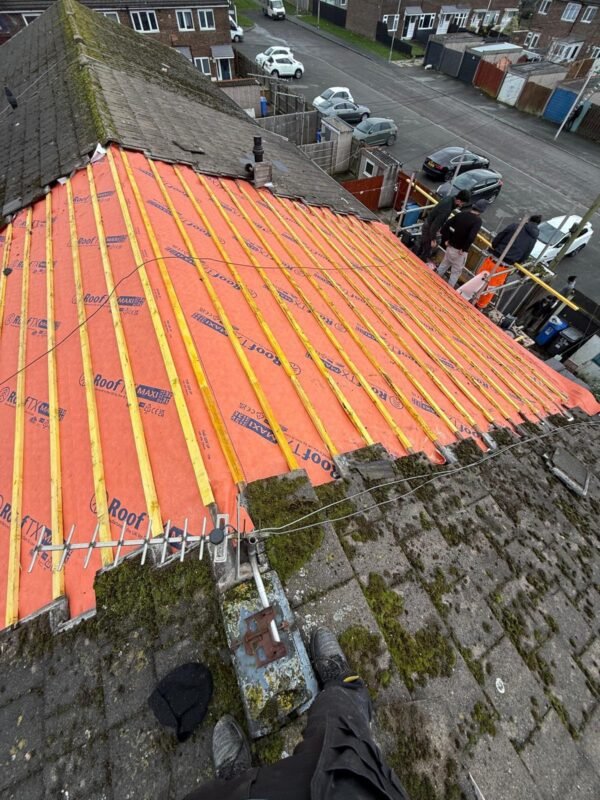
Incorrect spacing is one common problem with roof battens. If the distance between battens is wrong, roof tiles or slates may not fit correctly.
Battens that are too small can also cause problems if they cannot support the required load. Bent, split, or damaged timber may also reduce the quality of the roof system.
Poor fixing is another issue. Battens need to be fixed securely so they do not move when the roof covering is installed or exposed to weather.
Using the wrong type of batten can also lead to problems. Always check the roof covering guide and local building rules before starting work.
How to Choose Roof Battens for Your Project
Start by checking the type of roof covering. Then check the required batten size and spacing for that product.
Next, consider the roof structure and whether counter battens are needed. Check the roof covering maker’s instructions and any local building rules.
Finally, choose good-quality battens from a trusted supplier. The right material, size, and fixing method can help create a strong and reliable roof system.
Roof Batten Maintenance
Roof battens are usually protected by the roof covering, but they can still be affected by water or other roof problems. Regular roof checks can help find issues before they become serious.
Look for signs of loose roof coverings, water damage, or movement. If damaged battens are found, they may need to be replaced.
A roof professional can check the condition of the battens when other roof work is being done. This is especially useful when roof tiles or slates are being removed.
Final Thoughts on Roof Battens
Roof battens are an important part of many roofs. They support roof tiles and slates and help keep them in the right place.
The right batten size and spacing are important for a good fit. Counter battens can also help when a roof needs extra space under the main battens.
Always check the roof maker’s guide and local building rules before choosing and fitting roof battens. If you need help with your roofing work, contact us today.
FAQs About Roof Battens
Roof battens support roof tiles or slates and help keep them in the right place.
The size can vary based on the roof type and covering. Always check the product guide.
Spacing depends on the type and size of the roof covering. Follow the maker’s instructions.
Counter battens create a gap below the main roof battens. This can help air and water move through the roof system.
Yes, but only if they are strong, straight, and free from damage or rot.
